About

Maps, airports, and far too many questions

The rest of this site is the academic version of me. Here is my personal story: where I grew up, how I found geography and planning, the places I've walked, and the systems I can't stop watching.

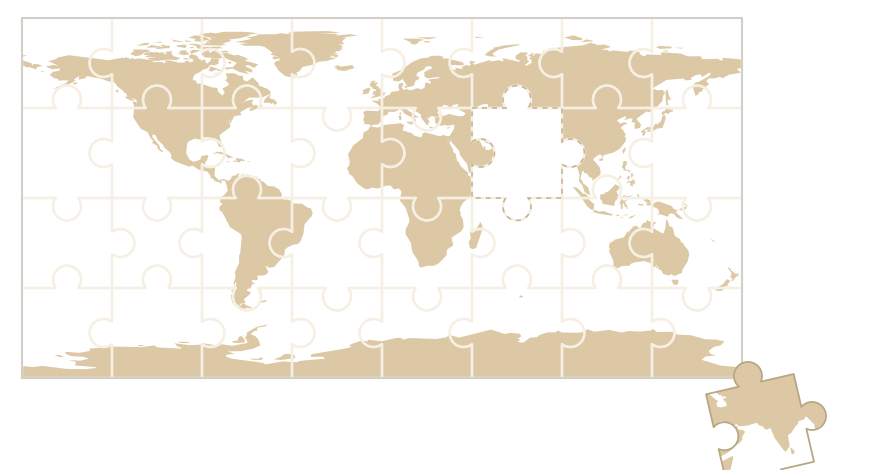
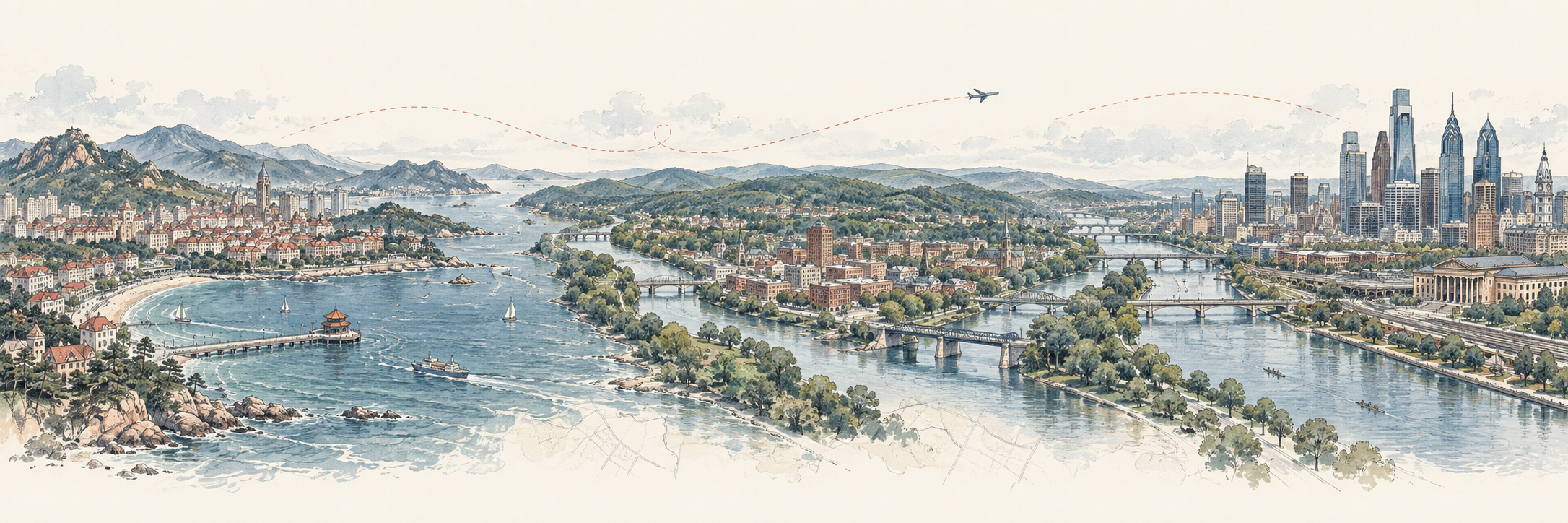
An imagined continuous landscape: Qingdao’s mountainous coast flows into Binghamton’s river confluence and bridges, then the Schuylkill and Philadelphia skyline.
01 / CoastQingdao 02 / ConfluenceBinghamton 03 / RiverfrontPhiladelphia

01 A little about me

There was never one dramatic turning point

I grew up in Qingdao, Shandong, a coastal city in eastern China, where I lived through high school before coming to the United States for college in 2020. COVID delayed that journey by a year, and when I finally arrived, I was not entirely sure where it would lead.

Geography had planted a small seed much earlier. As a child I loved maps and could finish geography puzzles surprisingly quickly. But I did not arrive at college planning to become a geographer or a planner. One of my first interests was psychology. Between studying online, adjusting to a new language, and generally not knowing what I wanted to do yet, that path never quite took off.

Then I met Dr. Mark Reisinger. His World Regional Geography course (GEOG 151) seemed to travel everywhere. Through his stories, sense of humor, maps, and accounts of different cultures, geography became a way of seeing the world.

Planning came even more accidentally.

I took a planning course taught by Frank Evangelisti, then Planning Director of Broome County, NY. I became fascinated by something different: the policies, laws, institutions, and small decisions through which cities actually get made. While Geography had made me curious about places, planning made me curious about the systems behind them.

A few interesting classes, generous teachers, unexpected questions, and quite a bit of wandering eventually brought me here.
If I had to describe myself without using student, planner, or researcher, I would probably choose one word:

Thinker.

I like figuring out how things work. I also tend to ask far too many questions along the way.

02 A world beyond the map

There is something liberating about arriving somewhere unfamiliar

I especially love traveling alone.

Solo travel gives me a particular sense of freedom: to wander down a street for no reason, change plans halfway through the day, sit somewhere and watch a city go by, or discover something I did not know enough to look for.

I experience cities slowly. I walk. I ride public transit. I look at maps. I visit city museums. I watch streets from street corners and neighborhoods through train windows. Sometimes I drive through landscapes simply to understand how places connect.

Museums and food are, of course, non-negotiable.

And then there are airports.

I genuinely enjoy flying, and I probably enjoy airports more than a normal person should. I like the anticipation of departure, watching aircraft arrive and leave, listening to ATC, following operations, and observing the extraordinary choreography required to move thousands of people through a terminal and across the world.

Apparently, even my choice of television tends to involve systems, procedures, investigations, and, perhaps unsurprisingly, airports.

Travel reminds me how large the world is, and how little of it any one person gets to know.

Advisory

PSA

A small piece of advice: don't watch Air Crash Investigation on an airplane.

Seat 14A · Window · Learned the hard way

03 Places I've explored

Spin it. Everywhere lit up is somewhere I've actually been

drag to spin

Somewhere out there

Hover a point

Dots mark cities and parks. The warm areas in China show the 23 of 31 provinces I have visited so far.

Fly to

Qingdao is home.

The whole list, in text

04 Rules, procedures & other rabbit holes

Some people follow politics to find out who wins. I want to know what happens between the rules

One question is never one question. It arrives with a procedure attached, and the procedure has a history, and the history has an exception.

  1. Q

    Who has the authority to make this decision?

  2. Q

    What procedure has to be followed?

  3. Q

    What happens when two institutions disagree?

  4. Q

    Which rule applies, and where does its authority stop?

  5. Q

    Who can investigate whom? Who gets to ask for the records?

  6. Q

    And what happens when a seemingly simple decision passes through courts, legislatures, agencies, and layers of oversight?

A Senate cloture vote

becomes a question about institutional design.

A court order

leads to jurisdiction and enforcement.

An inspector general

leads to appropriations, oversight, public records, and eventually an entirely different question from the one I started with.

What is the rule? Why does it exist? Who can use it? Where are its boundaries? And what happens when the system is actually put under pressure?

It is an admittedly nerdy hobby. I am perfectly happy with that.

05 Watching cities move

There is something satisfying about watching a complicated system quietly work

I have difficulty simply passing through a transportation system without looking at how it works. Airports are probably the clearest example.

I can spend a surprising amount of time watching aircraft movements, listening to air traffic control, following arrivals and departures, and noticing how passengers, crews, vehicles, security, gates, and aircraft interact within the same enormous system.

Cities produce smaller versions of the same fascination. I notice the gestures subway operators make as part of safety procedures. I watch pilots and ground crews coordinate around an aircraft. I wonder why a sign is located where it is, why passengers queue where they do, or why one station feels intuitive while another does not.

None of this necessarily begins as research. Often, I am simply curious.

Airside

Pushback, taxi, and the ground crew's hand signals form an entire language on a stretch of concrete.

Platform

Fare gates, door markings, the pause before departure. Station design tells you what it expects of you.

Wayfinding

One arrow in the right place saves a thousand questions. One in the wrong place creates them.

These are sketches for now. I will replace them with my own travel photographs.

06 On my bookshelf

This is not a reading list, just books that left me with something worth remembering

I read across energy, cities, institutions, inequality, environmental policy, and political life.

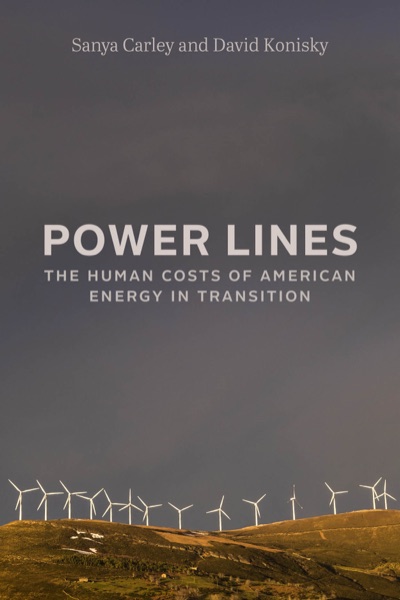
Cover of Power Lines by Sanya Carley and David Konisky

Power Lines

Sanya Carley & David Konisky

The subtitle does the work: the human costs of American energy in transition. It is not only an engineering problem. Who pays, who gets left behind, and who has a say turn out to be the harder questions. The answers often sit in rate cases and program rules almost nobody reads.

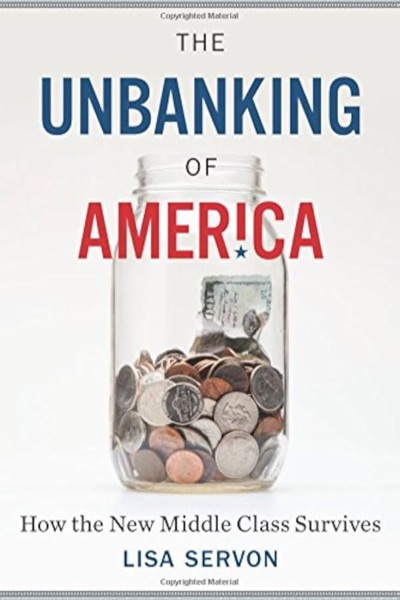
Cover of The Unbanking of America by Lisa Servon

The Unbanking of America

Lisa Servon

Servon went and worked behind the counter, which is why the book lands. People who look irrational from a distance are usually responding sensibly to a system that does not work for them. I think about that every time I open a dataset about someone's choices.

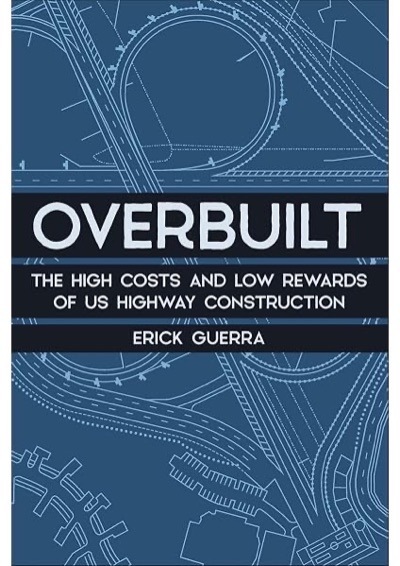
Cover of Overbuilt by Erick Guerra

Overbuilt

Erick Guerra

A clear account of the high costs and low rewards of US highway construction. It is a good corrective to the idea that more capacity is self-evidently worth it. Roads get justified by numbers, built for decades, and then quietly reshape everything around them.

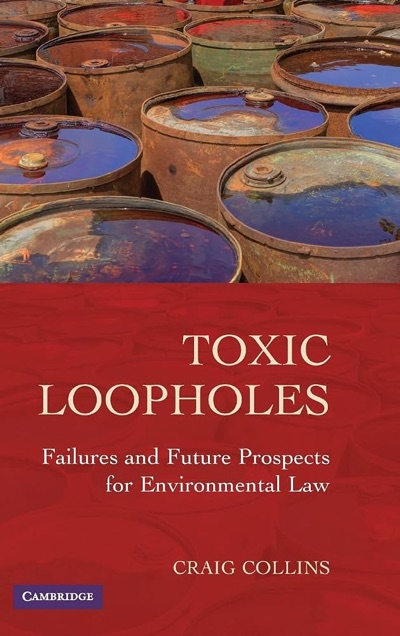
Cover of Toxic Loopholes by Craig Collins

Toxic Loopholes

Craig Collins

Environmental law can look strong on paper and weak in practice. This book is really about enforcement: budgets, exemptions, and agency capacity. That gap between a rule and what it actually does is exactly what interests me.

Cover of Something Lost, Something Gained by Hillary Rodham Clinton

Something Lost, Something Gained

Hillary Rodham Clinton

This is more perspective than policy, looking back on a long public life without tidying it up too much. I read it mostly for how someone makes sense of the wins, the losses, and the parts that stay unresolved.

07 On screen

Even my television has procedures

Key art for the documentary series To Catch a Smuggler

Documentary

To Catch a Smuggler

Airports, customs, border enforcement, and the endless creativity of people trying to get things through them. I came for the airports and stayed for the investigations.

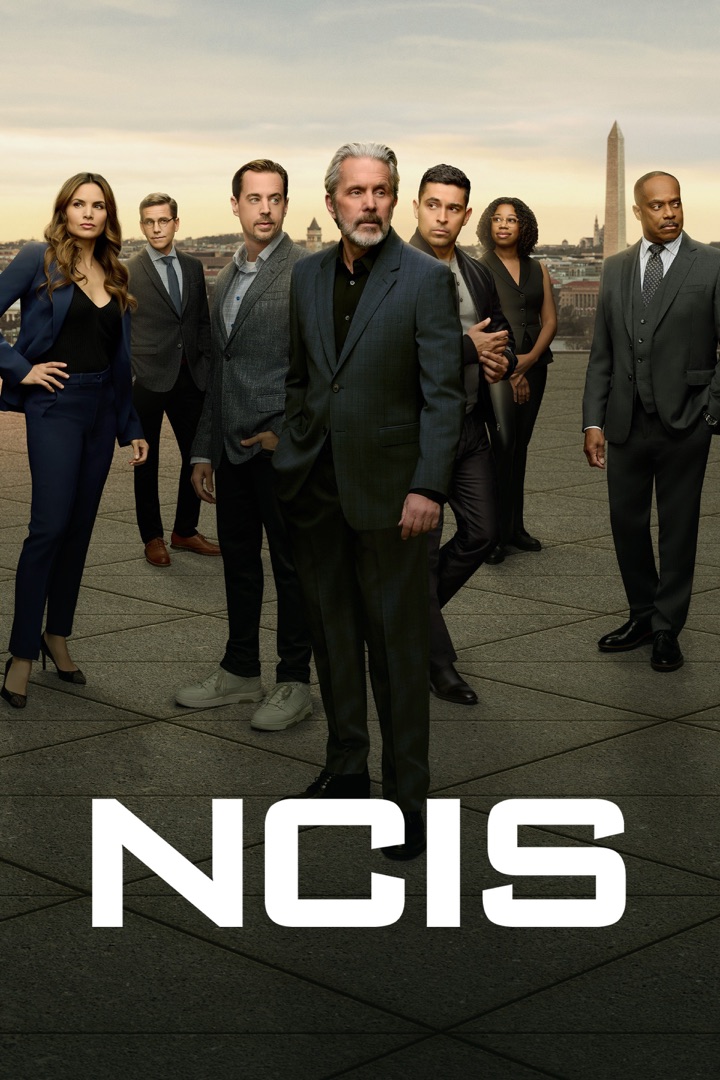
Key art for the television series NCIS

TV series

NCIS

Investigations, procedures, teamwork, and a cast that somehow makes solving crimes feel familiar after enough seasons. One of those shows I can always come back to.

Key art for the documentary series Air Crash Investigation

Documentary series

Air Crash Investigation

What keeps me watching is less the crash than the process afterward: evidence, systems, human decisions, engineering, and the chain of small failures that produces an extraordinary event.

And again, save this one until after landing.

08 A few other things

When I am not thinking about cities, institutions, or transportation:

  • Broadway
  • Orchestra
  • Basketball

Some interests are better left unexplained. They are simply fun.